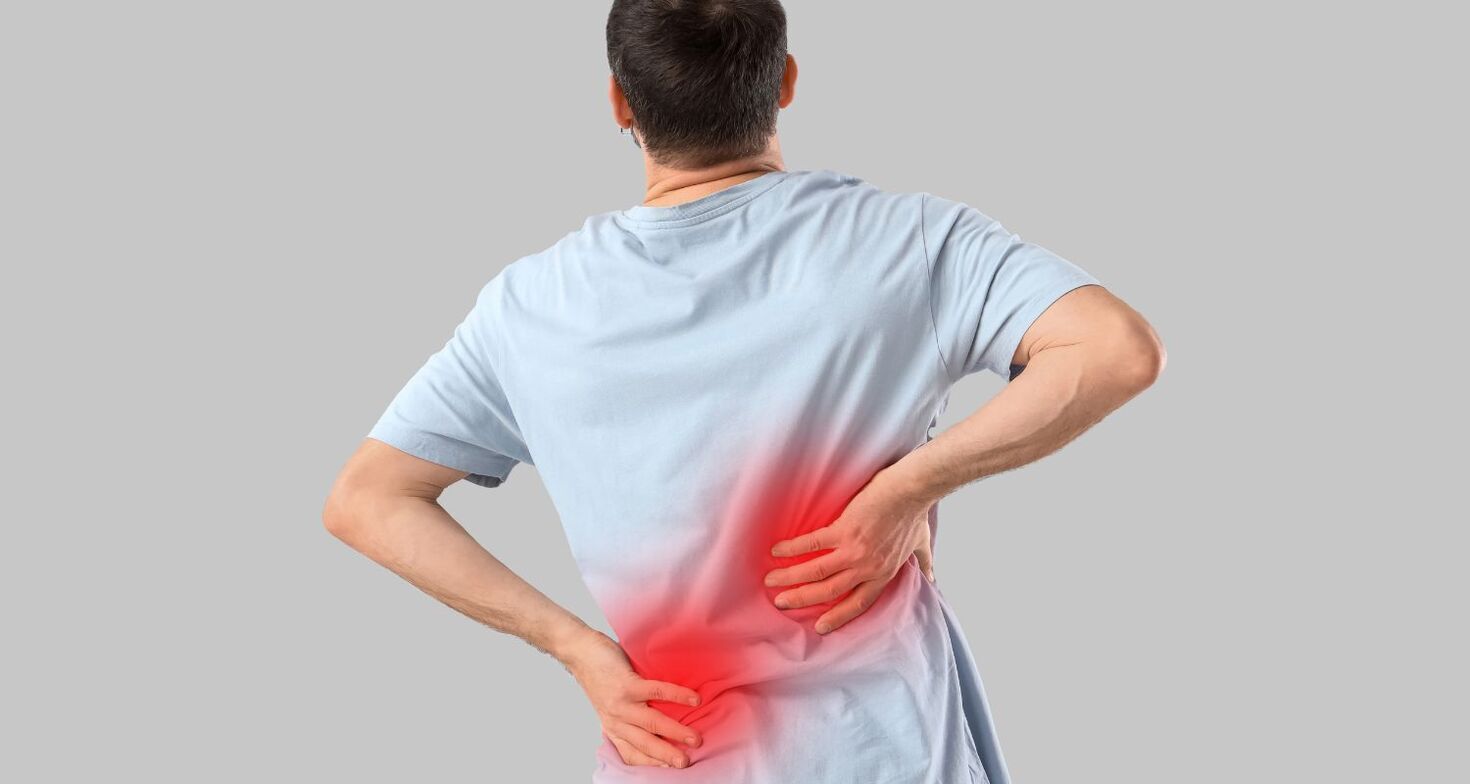
That dull ache in your lower back is one thing. But when the pain shoots down your leg, wraps around your hip, or causes tingling in your foot, you may be dealing with something different entirely. Sciatica pain and lower back pain often get lumped together, but they have distinct causes and require different approaches to treatment. Understanding which one you are dealing with is the first step toward getting the right care.
At Good To Go Sports Therapy in Victoria, we see patients every week who have been managing the wrong problem for months. This guide will help you sort out what is actually going on and what to do about it.
What Is Lower Back Pain, and What Causes It?
Lower back pain is exactly what it sounds like: pain that originates in the lumbar region of your spine, typically between your ribs and your hips. It can range from a dull, persistent ache to a sharp, stabbing sensation triggered by movement. Most people will experience it at some point in their lives.
Common causes include muscle strains, ligament sprains, poor posture, disc degeneration, and joint inflammation. The pain usually stays localized, meaning it does not travel or radiate into other parts of the body. If you bend forward and the pain increases, or you find relief lying flat, that pattern is more consistent with a muscular or structural lower back issue.
What Is Sciatica Pain?
Sciatica is different. It is not just back pain. It is a specific type of nerve pain that occurs when the sciatic nerve, the longest nerve in the body, becomes irritated, compressed, or inflamed somewhere along its path from your lower spine down through your buttocks and into your legs.
The hallmark symptom of sciatica is radiating pain that travels from your lower back into one leg. This can feel like a sharp burn, an electric shock, or a deep ache running down the back of your thigh and into your calf or foot. Some people also experience numbness, tingling, or weakness in the affected leg.
So what causes sciatica? The most common culprits include a herniated or bulging disc in the lumbar spine putting pressure on a nerve root, spinal stenosis (a narrowing of the spinal canal), and piriformis syndrome, where a tight muscle in the buttock compresses the sciatic nerve. Knowing what is driving your sciatica matters because the treatment approach differs depending on the source.
How to Tell the Difference
Here is a straightforward way to think about it:
Lower back pain stays in your back. You may feel stiffness, muscle spasms, or soreness centered in your lumbar region, but the discomfort does not travel.
Sciatica travels. The pain follows a path, typically down one leg. You might feel it more in your hip or buttock than your actual back. Sitting for long periods often makes it worse, while standing up suddenly can trigger a sharp flare.
A few other signals that point toward sciatica: pain that is worse on one side only, sensations of pins and needles or numbness in the leg or foot, and discomfort that improves with walking but worsens with sitting or standing still.
If you are unsure which you are dealing with, a proper assessment from a qualified chiropractor will give you a clear answer.
Should You See a Chiropractor for Sciatic Pain?
This is one of the most common questions we hear at Good To Go Sports Therapy. Should you go to a chiropractor for sciatic pain? The short answer is yes, and for good reason.
Chiropractic care addresses the root cause of sciatica rather than simply masking the symptoms. When the sciatic nerve is being compressed by a misaligned vertebra or a restricted joint in the lumbar spine, chiropractic adjustments can relieve that pressure directly. Manual manipulation helps restore proper alignment, reduces nerve irritation, and allows the body to begin healing.
Our chiropractors also look beyond the spine. Contributing factors like hip mobility restrictions, core strength imbalances, and daily postural habits can all keep the sciatic nerve under stress. Addressing those alongside spinal care leads to more lasting results.
How Quickly Can a Chiropractor Fix Sciatica?
This depends on how long the nerve has been irritated and what is causing the compression. Many patients notice meaningful improvement within the first few sessions, particularly when they begin care early. Acute cases with no significant disc damage often respond well within two to four weeks of consistent treatment.
Chronic sciatica that has been building for months or years typically requires a longer course of care, combined with targeted exercises to stabilize the spine and reduce the risk of recurrence. The goal is not just short-term pain relief but building enough structural support that flare-ups become less frequent and less severe.
It is worth keeping in mind that nerves heal more slowly than muscles. Progress is real even when it feels gradual. Patience and consistency with your care plan make a significant difference in outcomes.
Is Massage or Chiropractic Better for the Sciatic Nerve?
This is not an either-or situation. Both massage therapy and chiropractic care play a valuable role, and they work best together for many sciatica sufferers.
Massage therapy is particularly effective when tight muscles are part of the problem. If a hypertonic piriformis muscle is pressing on the sciatic nerve, releasing that tension through targeted soft tissue work can dramatically reduce symptoms. Massage also improves circulation, reduces inflammation in the surrounding tissue, and helps the body integrate the structural changes made through chiropractic adjustments.
Chiropractic care, on the other hand, addresses the structural and neurological components. If a disc or vertebra is the source of compression, massage alone will not resolve it.
Many patients at Good To Go Sports Therapy in Victoria benefit from a combined approach: chiropractic adjustments to address the spinal component and massage therapy to release the muscular tension that often develops around an irritated nerve. Together, they tend to produce faster and more durable relief than either approach on its own.
When to Seek Help Sooner Rather Than Later
If you experience sudden loss of bladder or bowel control alongside sciatica symptoms, seek emergency care right away. This can indicate a serious condition called cauda equina syndrome that requires urgent medical attention.
Outside of that, if your sciatica pain has lasted more than a few weeks, is getting worse, or is significantly affecting your ability to work, sleep, or move through your day, that is a clear signal to get assessed. The longer nerve compression goes untreated, the harder recovery can become.
Getting the Right Help in Victoria
Understanding whether you are dealing with sciatica or lower back pain is half the battle. The other half is getting care that is tailored to what is actually driving your symptoms.
If you are in Victoria and ready to get answers, our team at Good To Go Sports Therapy is here to help. We will take the time to properly assess your situation, explain what we find, and put together a treatment plan that fits your life. Reach out today to book your initial consultation and take the first real step toward moving without pain.

.jpg)